2- What Is Polymer Compounding? An Introduction to the Process of Producing Polymer Compounds

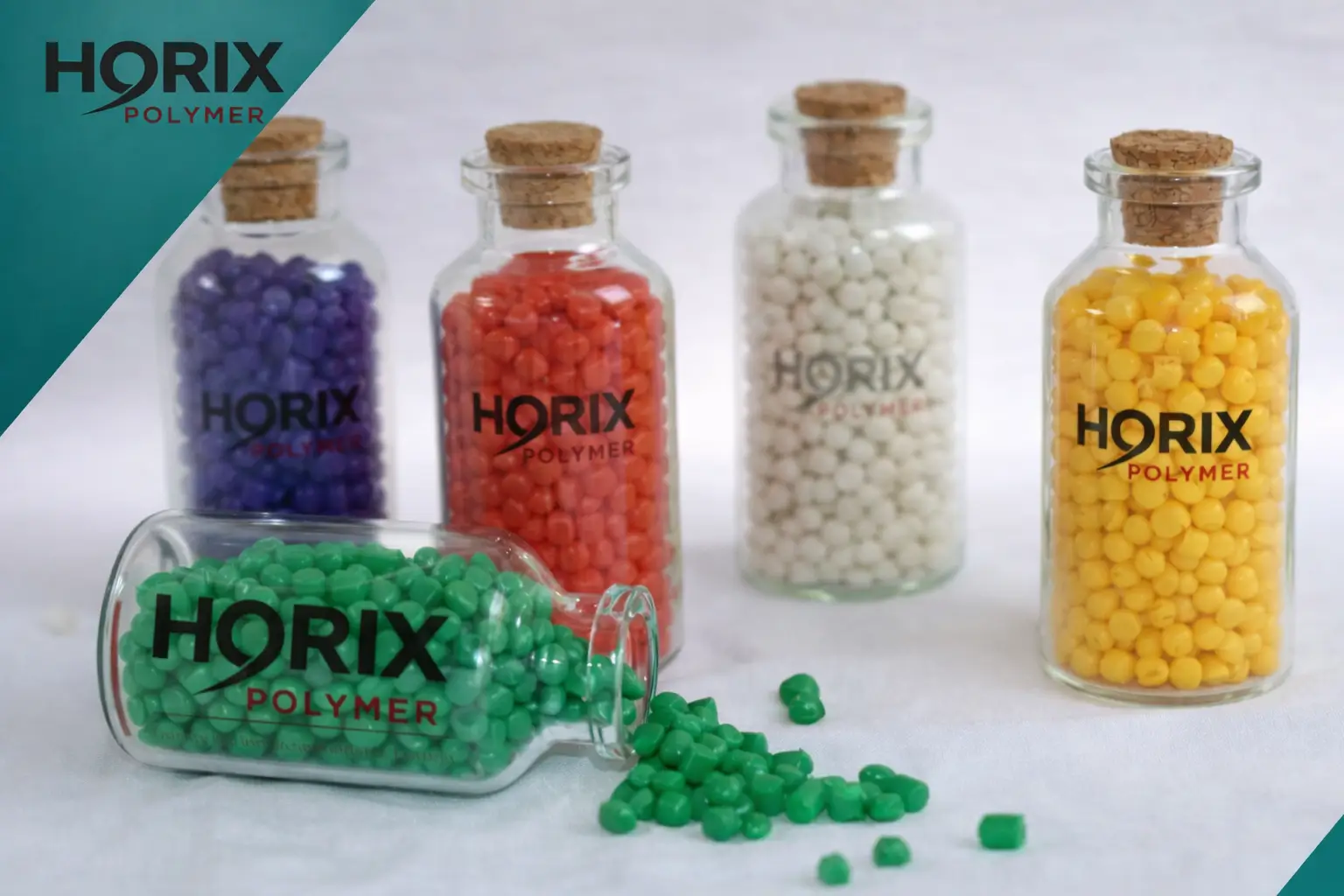
In today’s world, the widespread and diverse use of plastics across industries—from automotive to packaging, healthcare, and home appliances—has presented new challenges in material design and performance. One of the key solutions for optimizing the properties of polymers is the use of polymer compounds.
But what exactly is polymer compounding? How is it different from using raw polymers? And why do manufacturers rely on it?
What Is a Compound?
A polymer compound is a mixture of a base polymer (such as polyethylene, polypropylene, ABS, etc.) with one or more additives or fillers, formulated to improve or modify specific properties—such as mechanical strength, flame retardancy, UV stability, color, lubricity, or cost-efficiency.
In simple terms, compounding means engineering raw plastic materials to match a specific application or requirement.
Common Additives Used in Compounding
| Additive Type | Application |
| Fillers | Such as calcium carbonate or talc; used to reduce cost or increase stiffness |
| UV Stabilizers | Improve resistance to sunlight and extend outdoor lifespan |
| Antioxidants | Prevent thermal degradation and oxidation during processing |
| Lubricants | Enhance melt flow in injection molding or extrusion processes |
| Antibacterial Agents | Suitable for food packaging and medical-grade products |
| Colorants (Pigments) | Provide consistent and custom color in final products |
How Does the Compounding Process Work?
The polymer compounding process is typically carried out using single-screw extruders, twin-screw extruders, or industrial mixers. The general steps include:
- Weighing and feeding raw materials (base polymer, additives, and fillers)
- Melting and mixing in an extruder or mixer under controlled heat and shear
- Extruding the melt through a die
- Cooling the product with water or air
- Pelletizing using a cutting system
- Final packaging in specialized bags
Advantages of Using Polymer Compounds
- Enhanced performance and durability of the final product
- Customizable properties tailored to the customer’s specific needs
- Lower production costs through the use of economical fillers
- Reduced waste and optimized production processes
- Greater consistency in color, strength, and overall product quality
Industrial Applications of Compounds
- Automotive industry: Flame-retardant or lightweight compounds
- Construction: UV-resistant compounds for pipes and facades
- Food packaging: Antibacterial and transparent compounds
- Electronics and electrical: Heat-resistant or electrically insulating compounds
- Rotomolding: Polyethylene blends with UV stabilizers and process additives
Need Expert Support with Compound Formulation?
Our technical team at Horix is ready to help you develop the best compound formulation tailored to your industry’s requirements and support you in setting up custom production.

