
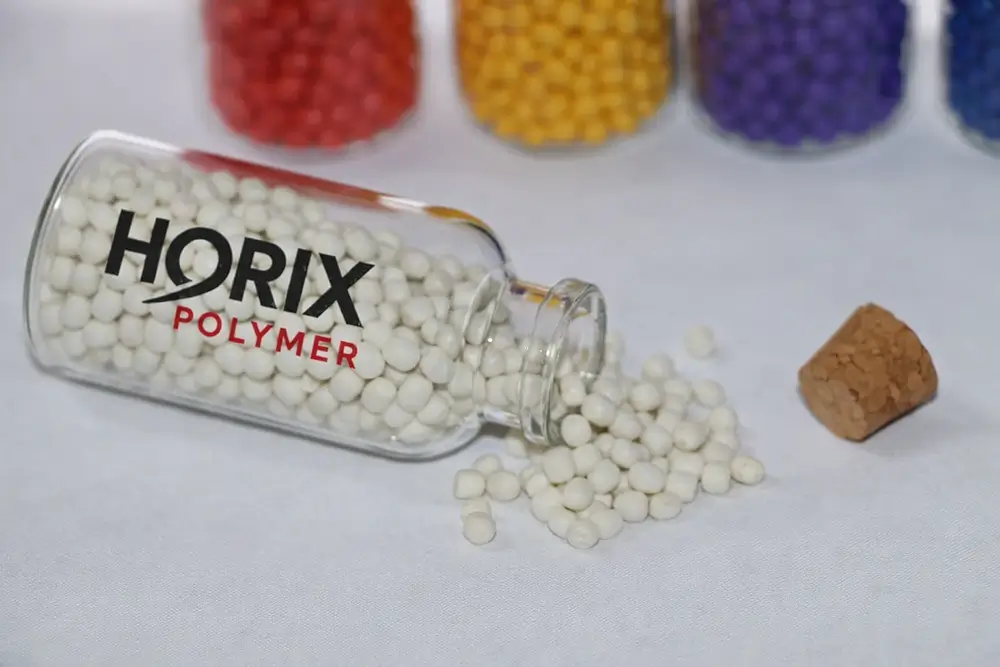
High-Density Polyethylene (HDPE)
High-density polyethylene (HDPE) is a tough, durable thermoplastic known for its high strength-to-density ratio.
What is High-Density Polyethylene (HDPE)?
High-Density Polyethylene (HDPE) is one of the most widely used thermoplastic polymers in various industries. It is produced through the polymerization of ethylene gas (C₂H₄) under specific pressure and temperature conditions. Due to its linear structure with minimal branching, HDPE has a high density (ranging from 0.941 to 0.965 g/cm³) and exhibits excellent mechanical properties.
⚙️Technical and mechanical properties of high-density polyethylene (HDPE)
✅ High tensile strength (resistant to pressure and impact)
✅ Excellent chemical resistance (against acids, alkalis, oils and moisture)
✅ Softening temperature: 130–135°C (suitable for medium temperature applications)
✅ Desirable flexibility and stiffness
⚠ Weaknesses:
Low resistance to UV radiation (requires stabilizing additives)
Brittleness at sub-zero temperatures
| Property | Value/Description |
|---|---|
| Density | 0.941–0.965 g/cm³ |
| Melting Point | 120–135°C |
| Tensile Strength | 20–30 MPa |
| Flexibility | Moderate (stiffer than LDPE) |
| Chemical Resistance | Resistant to acids, bases, and organic solvents |
| Impact Resistance | High (even at low temperatures) |
| Transparency | Semi-transparent to opaque |
Available grades of high-density polyethylene (HDPE)
And all production is carried out according to customer orders.
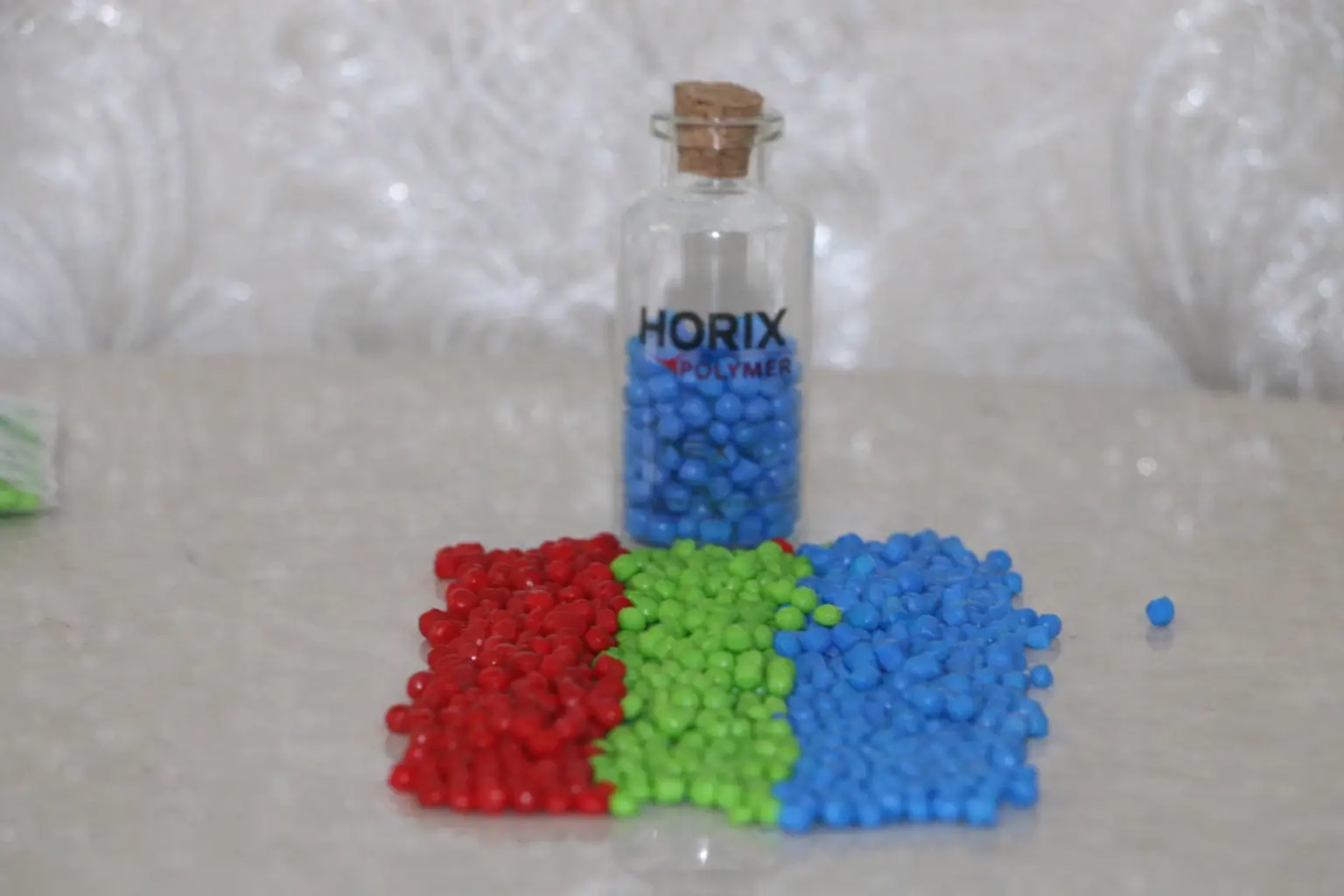
EXTRUSION
HEX0215(PE100 Base)
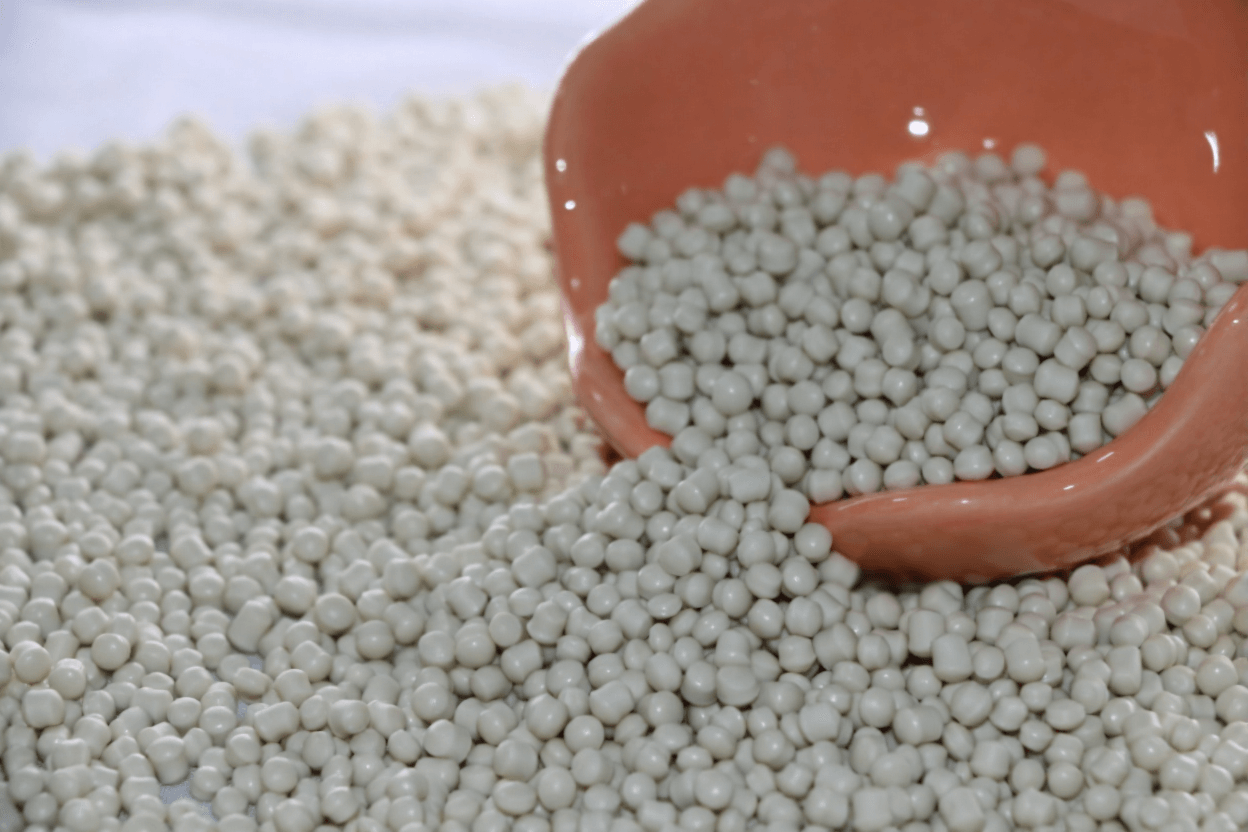
BLOWN FILM
HEX1010 (5110 Base)
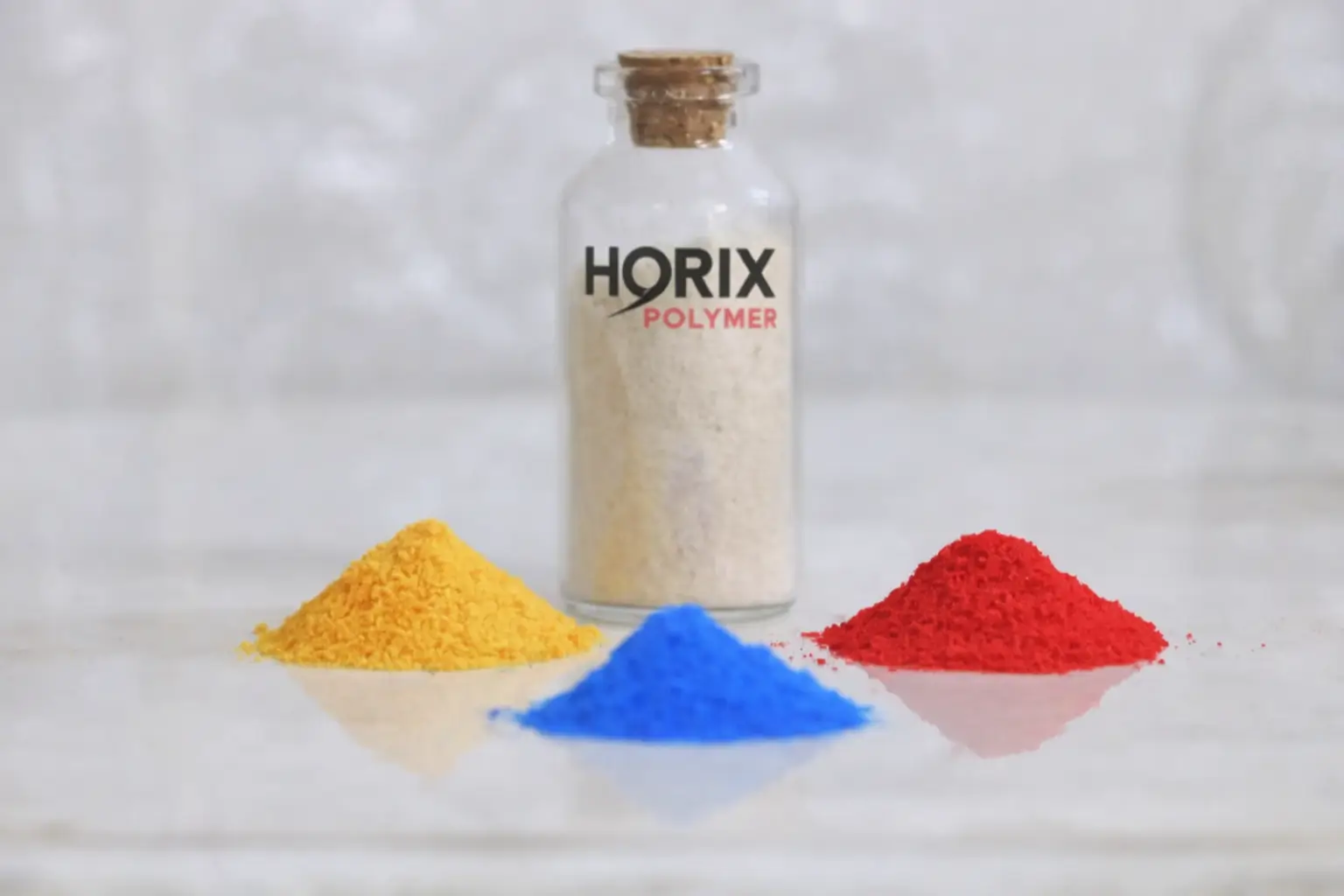
ROTATIONAL MOLDING
HEX1821 & HEX1822 ( 3840 Base )
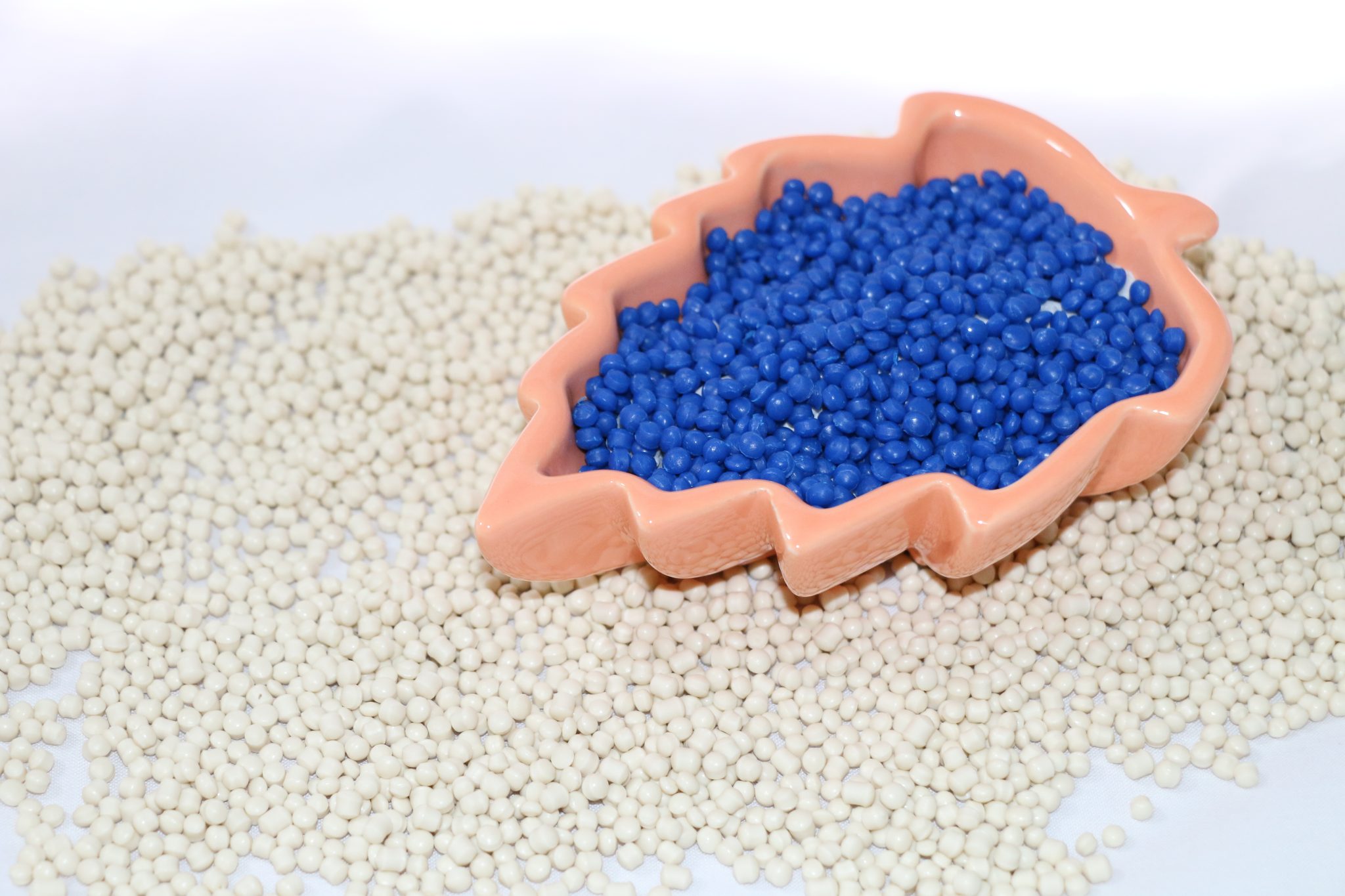
INJECTION
HEX1818(52518 Base) - HEX0045(HI500 Base) - HEX0707(62N07 Base)
BLOW MOLDING
HEX1075 (5510 Base)- HEX0123(BL3 Base) -HEX9595(0035 Base)
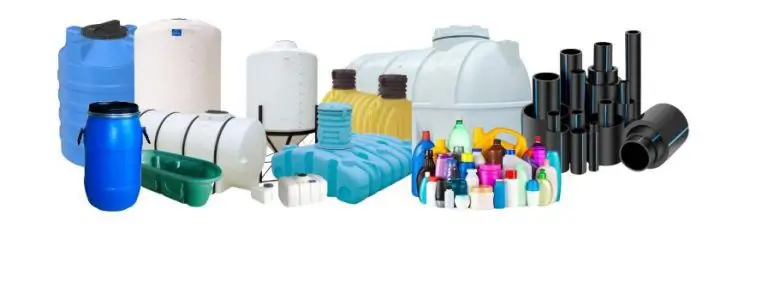
🏭Key Applications of High Density Polyethylene (HDPE)
| Industry | Applications |
|---|---|
| Packaging | Milk bottles, food containers, industrial films, trash bags |
| Piping | Water pipes, gas pipes, sewage pipes, pressurized irrigation systems |
| Tanks | Water storage tanks, chemical tanks, fuel tanks (corrosion resistant) |
| Industrial | Shipping pallets, automotive parts, agricultural equipment (e.g., drip irrigation pipes) |
| Medical | Sterile containers, pharmaceutical packaging |
Advantages and disadvantages
The advantages of HDPE include reasonable price, high processability, recyclability, and good chemical resistance.
On the other hand, its disadvantages include brittleness at low temperatures, low resistance to direct sunlight without additives, and poor adhesion properties to other surfaces.

Comparison of HDPE with other polyethylenes (LDPE, LLDPE)
| Property | LDPE | HDPE | LLDPE |
|---|---|---|---|
| Density (g/cm³) | 0.915-0.935 | 0.941-0.965 | 0.915-0.925 |
| Molecular Structure | Branched | Linear | Linear with short branches |
| Mechanical Strength | Moderate | High | High |
| Flexibility | Very High | Low | High |
| Heat Resistance | Low (80°C) | High (120°C) | Medium (90°C) |
| Main Applications | Soft films, insulation | Rigid bottles, pipes | Stretch films, packaging |
Frequently Asked Questions
✅ Yes, Food-Grade HDPE is approved by health organizations.
For more information and advice about our products, please contact us via the following methods:

